Domain hilfe-bei-kinderwunsch.de kaufen?
Wir ziehen mit dem Projekt
hilfe-bei-kinderwunsch.de um.
Sind Sie am Kauf der Domain
hilfe-bei-kinderwunsch.de interessiert?
domain@kv-gmbh.de · 0541-91531010
Domain hilfe-bei-kinderwunsch.de kaufen?
Yay or nay bei Anzügen?
Das hängt von der Situation und dem persönlichen Geschmack ab. Anzüge sind eine klassische und formelle Kleidungsoption, die in vielen beruflichen und förmlichen Umgebungen angemessen ist. Wenn man sich jedoch in einer informelleren Umgebung befindet oder einen lässigeren Stil bevorzugt, kann ein Anzug overdressed wirken. Letztendlich sollte man sich in einem Anzug wohl und selbstbewusst fühlen. **
Wie erfolgt die Befruchtung einer Eizelle und welche Rolle spielt sie bei der Fortpflanzung?
Die Befruchtung einer Eizelle erfolgt durch das Eindringen eines Spermiums in die Eizelle. Dabei verschmelzen die Zellkerne von Ei- und Samenzelle, um eine befruchtete Eizelle zu bilden. Diese befruchtete Eizelle entwickelt sich dann zu einem Embryo und spielt eine zentrale Rolle bei der Fortpflanzung, da sie zur Entstehung eines neuen Lebewesens führt. **


Ähnliche Suchbegriffe für Grothe-Lichthaube-KSZ-OR
Top-Angebote
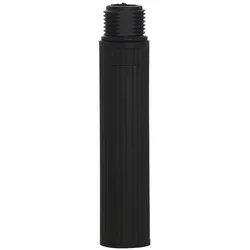
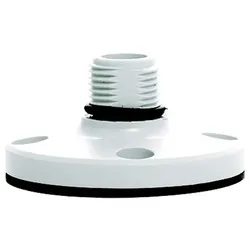
Produkte zum Begriff Grothe-Lichthaube-KSZ-OR:


-
Cake or fake?
It depends on the context. If you are asking about a choice between eating cake or something that is not real, then cake would be the preferred option. However, if you are asking about the authenticity of something, then fake would imply that it is not genuine or real. **
-
Will or gonna?
"Will" and "gonna" are both used to express future actions, but there are slight differences in their usage. "Will" is more formal and is used in more formal situations, while "gonna" is a more informal and colloquial way of expressing future actions. **
-
Do or does?
The choice between "do" and "does" depends on the subject of the sentence. "Do" is used with plural subjects and "does" is used with singular subjects. For example, "They do their homework" and "She does her homework." **
-
Anyway or anyways?
Both "anyway" and "anyways" are commonly used in spoken English to mean the same thing. However, "anyway" is more widely accepted and considered to be the standard form. "Anyways" is often considered to be more informal or colloquial. **


Doesn't or don't?
The correct form to use depends on the subject of the sentence. "Doesn't" is used with singular subjects, while "don't" is used with plural subjects. For example, "He doesn't like coffee" (singular subject) and "They don't like coffee" (plural subject). **
Travelling or traveling?
Both "travelling" and "traveling" are correct spellings of the word, but they are used in different regions. "Travelling" is more commonly used in British English, while "traveling" is more commonly used in American English. **
Top-Angebote
Produkte zum Begriff Grothe-Lichthaube-KSZ-OR:
-
Yay or nay bei Anzügen?
Das hängt von der Situation und dem persönlichen Geschmack ab. Anzüge sind eine klassische und formelle Kleidungsoption, die in vielen beruflichen und förmlichen Umgebungen angemessen ist. Wenn man sich jedoch in einer informelleren Umgebung befindet oder einen lässigeren Stil bevorzugt, kann ein Anzug overdressed wirken. Letztendlich sollte man sich in einem Anzug wohl und selbstbewusst fühlen. **
-
Wie erfolgt die Befruchtung einer Eizelle und welche Rolle spielt sie bei der Fortpflanzung?
Die Befruchtung einer Eizelle erfolgt durch das Eindringen eines Spermiums in die Eizelle. Dabei verschmelzen die Zellkerne von Ei- und Samenzelle, um eine befruchtete Eizelle zu bilden. Diese befruchtete Eizelle entwickelt sich dann zu einem Embryo und spielt eine zentrale Rolle bei der Fortpflanzung, da sie zur Entstehung eines neuen Lebewesens führt. **
-
Cake or fake?
It depends on the context. If you are asking about a choice between eating cake or something that is not real, then cake would be the preferred option. However, if you are asking about the authenticity of something, then fake would imply that it is not genuine or real. **
-
Will or gonna?
"Will" and "gonna" are both used to express future actions, but there are slight differences in their usage. "Will" is more formal and is used in more formal situations, while "gonna" is a more informal and colloquial way of expressing future actions. **
Ähnliche Suchbegriffe für Grothe-Lichthaube-KSZ-OR
-
Cut: Truth or DrinkTruth or Drink , Was braucht es für eine gute Party? Drinks und ... Karten! Die Spieler wählen Karten aus 4 verschiedenen Sets. Die reichen von relativ harmlosen Karten (um sich einfach besser kennenzulernen), bis hin zum "Extra dirty"-Set für die ganz späten Abende ... "Welche App öffnest du morgens zuerst?", "Was war das peinlichste Kompliment, dass du jemals bekommen hast?" oder aber bis zu "Erzähl deinen Mitspielern von deinem seltsamsten Sextraum"! Du hast immer die Wahl: Truth or Drink! Aber verantwortungsvoll! Über 410 Karten garantieren dann Party-Abende der besonderen Art. , > , Erscheinungsjahr: 20230901, Produktform: Spiele, Autoren: Cut, Redaktion: Huch!, Fachschema: Non Books / Spiele / Kartenspiele~Non Books / Spielkarte~Non Books / Spiele / Partyspiele~Spiel / Kartenspiele, Altersempfehlung / Lesealter: 18, ab Alter: 18, Warengruppe: NB/Spielen/Raten, UNSPSC: 95044000, Warenverzeichnis für die Außenhandelsstatistik: 95044000, Sender’s product category: NONBO, Länge: 188, Breite: 131, Höhe: 70, Gewicht: 929, Produktform: Spiele, Genre: Spiele, PBS,32,58 €*Versand: 0,00 €Sichere Weiterleitung zum Anbieter
-
Do or does?
The choice between "do" and "does" depends on the subject of the sentence. "Do" is used with plural subjects and "does" is used with singular subjects. For example, "They do their homework" and "She does her homework." **
-
Anyway or anyways?
Both "anyway" and "anyways" are commonly used in spoken English to mean the same thing. However, "anyway" is more widely accepted and considered to be the standard form. "Anyways" is often considered to be more informal or colloquial. **
-
Doesn't or don't?
The correct form to use depends on the subject of the sentence. "Doesn't" is used with singular subjects, while "don't" is used with plural subjects. For example, "He doesn't like coffee" (singular subject) and "They don't like coffee" (plural subject). **
-
Travelling or traveling?
Both "travelling" and "traveling" are correct spellings of the word, but they are used in different regions. "Travelling" is more commonly used in British English, while "traveling" is more commonly used in American English. **
* Alle Preise verstehen sich inklusive der gesetzlichen Mehrwertsteuer und ggf. zuzüglich Versandkosten. Die Angebotsinformationen basieren auf den Angaben des jeweiligen Shops und werden über automatisierte Prozesse aktualisiert. Eine Aktualisierung in Echtzeit findet nicht statt, so dass es im Einzelfall zu Abweichungen kommen kann. ** Hinweis: Teile dieses Inhalts wurden von KI erstellt.